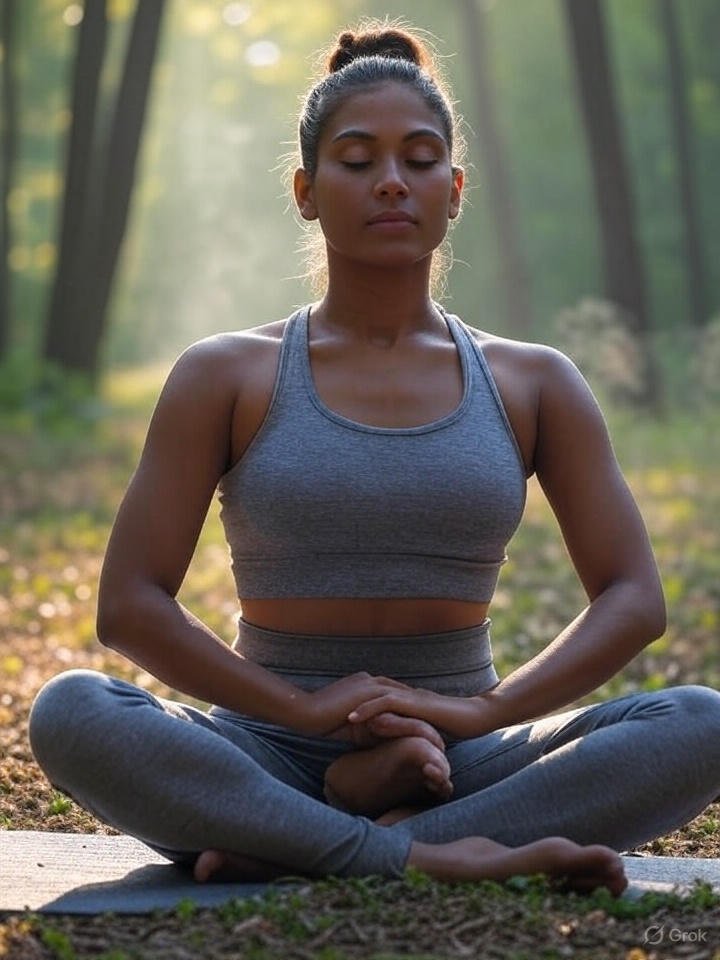
Why Yoga Matters
Yoga is not just exercise—it is a lifestyle. While workouts often focus on muscles or stamina, yoga integrates breathing, movement, and mindfulness. Practicing yoga in the morning, after work, or even during short breaks creates a sense of calm and renewal.Unlike high-intensity workouts that may tire the body, yoga leaves you feeling energized and centered. It can be adapted to all ages and fitness levels, making it a truly inclusive practice.
Physical Benefits of Yoga
1. Improves flexibility – Regular practice gradually loosens stiff joints and muscles, improving posture and reducing pain.
2. Strengthens muscles – Yoga uses bodyweight to build strength in arms, legs, core, and back.
3. Supports weight management – By regulating metabolism and improving digestion, yoga aids in maintaining a healthy weight.
4. Enhances circulation – Breathing techniques and stretches improve blood flow and oxygen delivery throughout the body.
5. Boosts immunity – Gentle movements and deep breathing activate the body’s healing systems, making you more resilient to illness.
Mental and Emotional Benefits
Yoga is as much for the mind as it is for the body.
Reduces stress – Deep breathing and meditation calm the nervous system.
Improves focus – Mindful practice enhances concentration, memory, and clarity.
Promotes emotional balance – Yoga helps release tension and manage anxiety.
Encourages mindfulness – Learning to live in the present moment reduces worry and restlessness.
Different Types of Yoga
There are many styles of yoga, each offering unique benefits. You can choose based on your goals and lifestyle:
1. Hatha Yoga – A gentle form focusing on basic postures and breathing; ideal for beginners.
2. Vinyasa Yoga – A flowing sequence of poses, linked with breath, that builds strength and stamina.
3. Ashtanga Yoga – A structured, more intense practice for building discipline and endurance.
4. Yin Yoga – Slow, deep stretches held for longer periods; great for flexibility and relaxation.
5. Kundalini Yoga – Combines movement, chanting, and meditation to awaken inner energy.
6. Restorative Yoga – Uses props and gentle poses to deeply relax the body and mind.
Simple Yoga Poses for Beginners
If you are new to yoga, here are a few easy poses to begin with:
Mountain Pose (Tadasana) – A standing posture that improves balance and posture.
Downward Dog (Adho Mukha Svanasana) – Stretches the spine, hamstrings, and arms.
Child’s Pose (Balasana) – A resting pose that calms the mind and gently stretches the back.
Cobra Pose (Bhujangasana) – Strengthens the spine and opens the chest.
Tree Pose (Vrikshasana) – Enhances balance and strengthens the legs.
Breathing and Meditation in Yoga
Breathing, or Pranayama, is at the heart of yoga. Techniques like deep belly breathing, alternate nostril breathing, and “Ujjayi breath” calm the nervous system, improve lung capacity, and bring focus.Adding a few minutes of meditation at the end of your practice helps quiet the mind, reduce stress, and build emotional resilience. Even five minutes of sitting silently with mindful breathing can make a big difference.
How to Build a Yoga Habit
Like any healthy habit, yoga requires patience and consistency. Here are practical tips to make it part of your lifestyle:
1. Start small – Begin with 10–15 minutes a day and increase gradually.
2. Choose a comfortable space – A quiet corner at home or a yoga mat outdoors works perfectly.
3. Set a fixed time – Morning is ideal, but consistency matters more than timing.
4. Follow guided sessions – Use apps, online videos, or local classes for proper guidance.
5. Listen to your body – Yoga is not about forcing yourself into shapes. Move gently and respect your limits.
6. Stay patient – Flexibility and strength develop over time. Focus on progress, not perfection.
Overcoming Common Excuses
“I’m not flexible enough.” – Yoga is what makes you flexible, not the other way around.
“I don’t have time.” – Even 10 minutes of yoga can bring benefits.
“It looks complicated.” – Start with simple poses and build confidence gradually.
“I get bored.” – Explore different yoga styles to keep your practice fresh and enjoyable.
Nutrition and Yoga
Yoga is most effective when paired with mindful eating. Avoid practicing right after a heavy meal; wait at least 2–3 hours. Hydrate before and after practice, and include light, nourishing foods like fruits, vegetables, whole grains, and herbal teas in your diet.Balanced nutrition supports the energy, clarity, and calmness that yoga cultivates.
A Sample 20-Minute Yoga Routine
If you’re unsure how to begin, here’s a short routine:
1. Breathing (2 minutes) – Sit comfortably, focus on deep inhalation and exhalation.
2. Warm-up (3 minutes) – Gentle neck rolls, arm stretches, and spinal twists.
3. Main Poses (12 minutes)
Mountain Pose – 1 minute
Downward Dog – 2 minutes
Tree Pose – 2 minutes
Cobra Pose – 2 minutes
Child’s Pose – 2 minutes
Seated Forward Bend – 3 minutes
4. Relaxation (3 minutes) – Lie down in Savasana (Corpse Pose), breathing slowly.
Long-Term Impact of Yoga
With regular practice, yoga creates transformations that go beyond fitness:Improved posture and balance reduce injuries and back pain.Calmness and emotional stability enhance relationships.Better sleep and relaxation improve energy levels.Increased self-awareness leads to healthier choices.A stronger body and peaceful mind create overall resilience against illness and stress.
Final Thoughts
Yoga is not a quick fix—it’s a lifelong journey of self-discovery and wellness. Small, consistent actions like practicing a few poses daily can lead to powerful, lasting benefits. Whether you want to reduce stress, improve flexibility, or simply find a moment of peace, yoga offers a path.Commit to just a few minutes every day. Over time, yoga will reward you with strength, energy, balance, and confidence. It’s not about touching your toes—it’s about what you learn on the way down.