


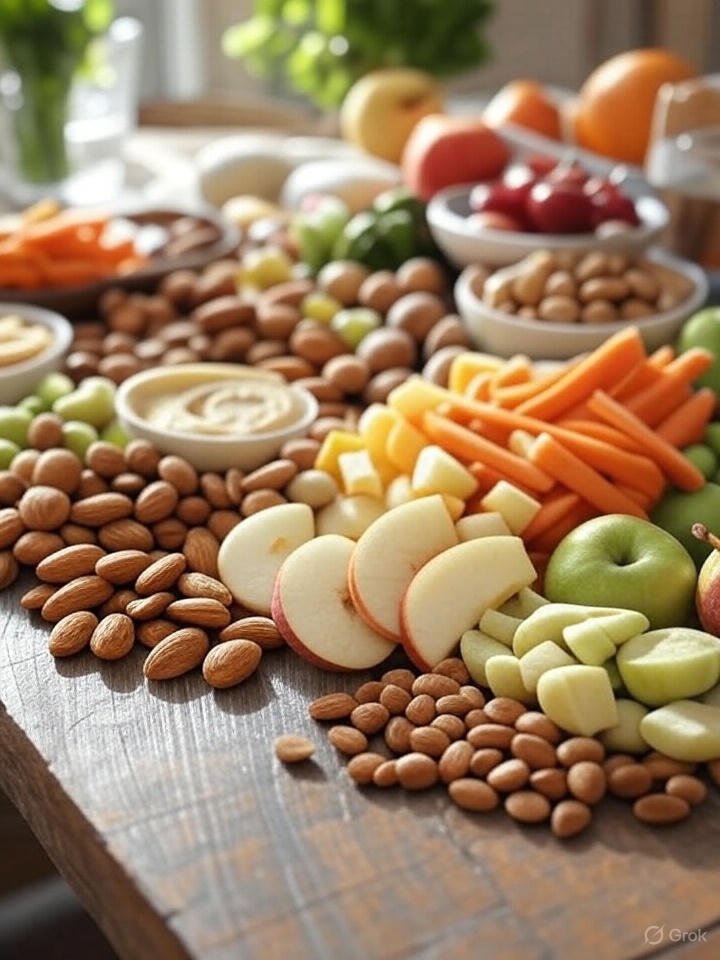
Why Healthy Snacking Matters
Snacks are often seen as guilty pleasures—chips, cookies, fried foods, or sugary treats. While they may give a quick energy boost, they leave you tired, hungry, and craving more. Unhealthy snacking can also contribute to weight gain, diabetes, heart problems, and fatigue.
On the other hand, healthy snacking works like fuel for your body. It helps to:
Maintain steady energy levels throughout the day.
Control hunger and prevent overeating during main meals.
Provide essential nutrients that may be missing from breakfast, lunch, or dinner.
Improve focus and mood, making you more productive and alert.
Snacking is not the enemy—it’s about choosing the right kind of food.
What Makes a Snack “Healthy”?
A healthy snack should be:
1. Nutritious – Rich in vitamins, minerals, and antioxidants.
2. Balanced – Contain protein, fiber, and healthy fats to keep you full.
3. Low in added sugar and refined carbs – Avoid processed snacks that spike blood sugar.
4. Portion-controlled – Even healthy foods can add extra calories if eaten in excess.The goal is to pick snacks that satisfy hunger, give energy, and support long-term health.
Top Healthy Snack Ideas
Here are some delicious, easy, and nutritious snack ideas you can enjoy anytime:
1. Fresh FruitsApples, bananas, oranges, or seasonal fruits are naturally sweet and full of fiber.Pair with a spoon of peanut butter or a handful of nuts for added protein.
2. Nuts and SeedsAlmonds, walnuts, cashews, or sunflower seeds are nutrient-dense and heart-friendly.Keep a small pack with you for travel or work.
3. Yogurt with ToppingsA bowl of plain yogurt with berries, chia seeds, or granola makes a refreshing snack.Provides protein, calcium, and probiotics.4. Vegetable Sticks with DipCarrots, cucumbers, celery, or bell peppers paired with hummus or guacamole.Crunchy, colorful, and loaded with vitamins.
5. Whole-Grain OptionsPopcorn (air-popped, without butter), multigrain crackers, or oats bars.High in fiber and keeps you full longer.
6. Protein SnacksBoiled eggs, roasted chickpeas, or grilled paneer cubes.Great for muscle strength and long-lasting energy.
7. Hydrating SnacksWatermelon, coconut water, or buttermilk.Refreshes the body, especially during hot days.
Smart Snacking at Home
At home, it’s easy to grab packaged snacks when you’re hungry. To avoid this:
Stock your kitchen smartly – Keep fruits, nuts, yogurt, and roasted snacks handy.
Meal prep – Cut veggies or fruit in advance and store them in the fridge.
Replace junk – Swap chips with roasted makhana or sugary cookies with dates.By changing what’s available at home, you naturally make better choices.
Healthy Snacking at Work
Office snacking is tricky because of long hours, vending machines, and shared treats. Here’s how to manage:
Carry your own snacks – Pack nuts, protein bars, or fruit from home.
Avoid desk eating – Step away for a 5-minute mindful snack break.
Stay hydrated – Sometimes thirst is mistaken for hunger; drink water first.
Healthy snacks at work not only reduce cravings but also improve productivity and focus.
On-the-Go Snacking
Traveling, shopping, or running errands often leads to unhealthy choices like fast food or fried snacks. To avoid this:
Keep portable snacks such as trail mix, roasted peanuts, or fruit in your bag.Choose healthier street food alternatives like roasted corn, fresh juice, or boiled eggs.
Avoid overeating just to pass time while traveling.
Mindful Snacking Habits
Healthy snacking is not just about what you eat, but how you eat. Some mindful tips:
1. Listen to your body – Eat when you are truly hungry, not out of boredom.
2. Control portions – Use small bowls or containers to avoid overeating.
3. Eat slowly – Enjoy the taste and texture of food; this helps you feel satisfied.
4. Avoid distractions – Don’t snack while watching TV or scrolling on your phone.
Common Mistakes to Avoid
Thinking all “low-fat” snacks are healthy – Many are loaded with sugar.
Overeating nuts or dry fruits – Though healthy, they are calorie-dense.
Skipping snacks altogether – This often leads to overeating during meals.
Late-night snacking – Try to avoid eating heavy snacks close to bedtime.
Long-Term Benefits of Healthy Snacking
If practiced consistently, healthy snacking can:
Maintain healthy weight and reduce junk food cravings.
Support better digestion and metabolism.
Improve mental clarity, focus, and mood.
Reduce risks of chronic diseases like diabetes, heart problems, and obesity.Remember, health is not built overnight. These small, daily actions create resilience against illness, stress, and fatigue.
Conclusion
Healthy snacking is more than just eating between meals—it’s about nourishing your body with the right foods at the right time. With small, consistent changes like swapping fried chips for fruit or soda for buttermilk, you can enjoy tasty snacks that boost energy, improve mood, and strengthen your body.
By being mindful of your choices—whether at home, work, or on the move—you not only improve daily performance but also build long-term health, confidence, and vitality.
So next time hunger strikes, choose a smart, healthy snack and take one more step toward a stronger, healthier you.